You look at your baby and see… a baby. Sleeping, babbling, reaching for things.
What you don’t see is the countdown happening underneath.
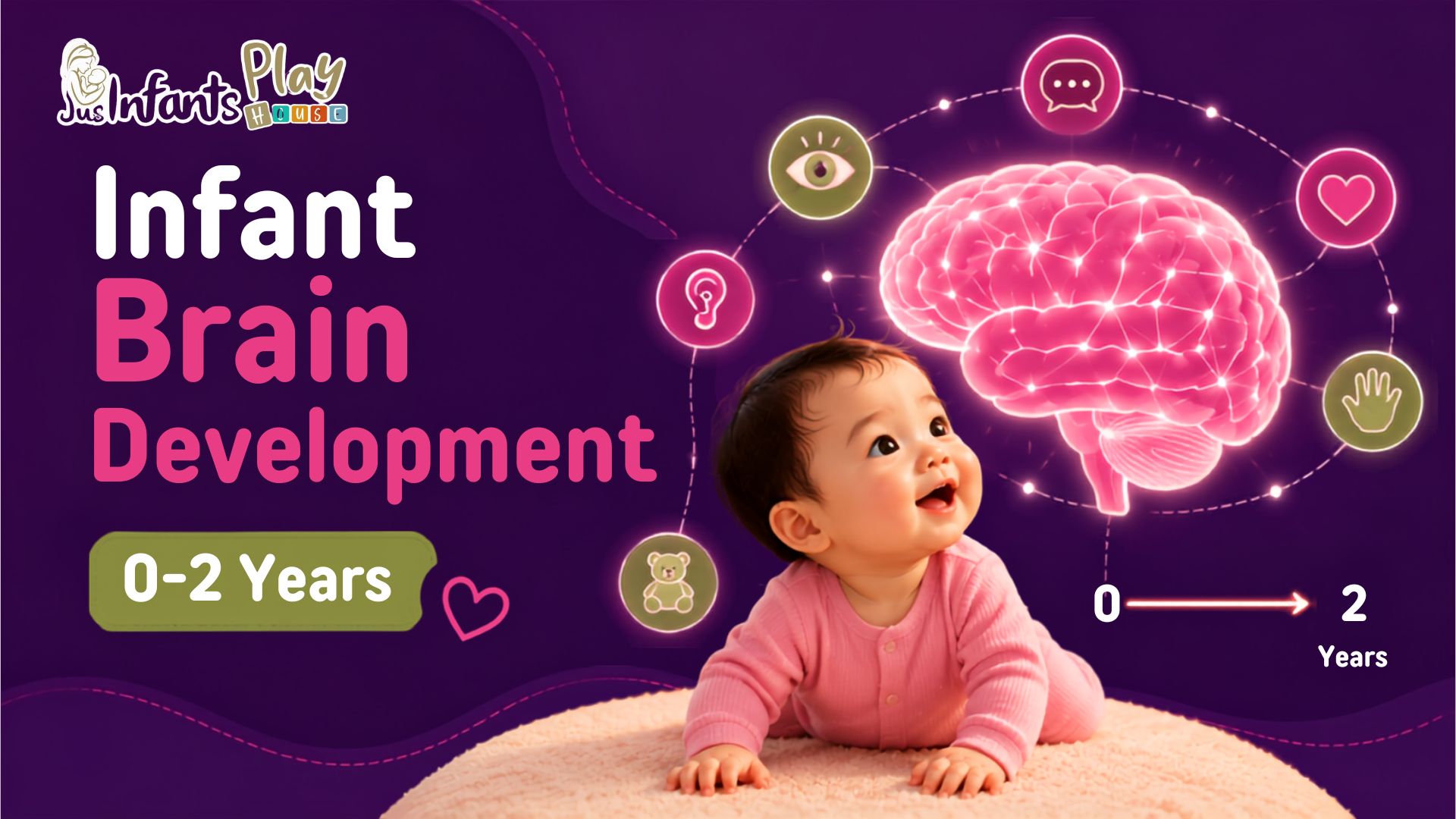
Between 0–2 Years, your baby’s brain isn’t just growing — it’s building itself at a pace it will never repeat again. And that timing isn’t a scare tactic. It’s just biology.
Here’s what’s actually happening in there — and why the timing matters more than most parents realise.
1. Your baby’s brain is building a million connections a second
Not a typo. In the first two years, the brain forms neural connections at a rate far faster than at any other stage of life.
- Every sound, face, texture, and interaction is wiring a pathway
- The connections used often get strengthened
- The ones that aren’t get quietly pruned away
This isn’t about cramming in “lessons.” It’s about what your baby’s brain is naturally absorbing, whether you’re actively teaching or not.
2. This window doesn’t wait for convenience
There’s no do-over button on early brain development. That’s the part nobody says out loud.
- The 0–2 window is when the brain is most receptive to language, movement, and sensory input
- After this stage, the same experiences still help — but the brain isn’t as naturally primed to absorb them
- This is why timing matters more than intensity. Small, consistent exposure now beats a bigger push later
You’re not late. But you’re also not on pause — the window is quietly moving whether you engage with it or not.
3. “He’s just a baby” undersells what’s actually happening
It’s easy to assume there’s not much going on yet. In reality:
- A 6-month-old is already learning cause and effect (“if I drop this, it falls”)
- A 9-month-old is processing social cues and emotional tone, not just words
- A baby exposed to varied movement, textures, and interaction is quietly building the foundation for coordination, language, and confidence later
None of this needs to look like “learning.” It just needs to happen.
4. Gentle stimulation, not pressure, is what actually helps
This isn’t about flashcards or pushing milestones early. The brain at this stage responds best to:
- Repetition in a safe, familiar environment
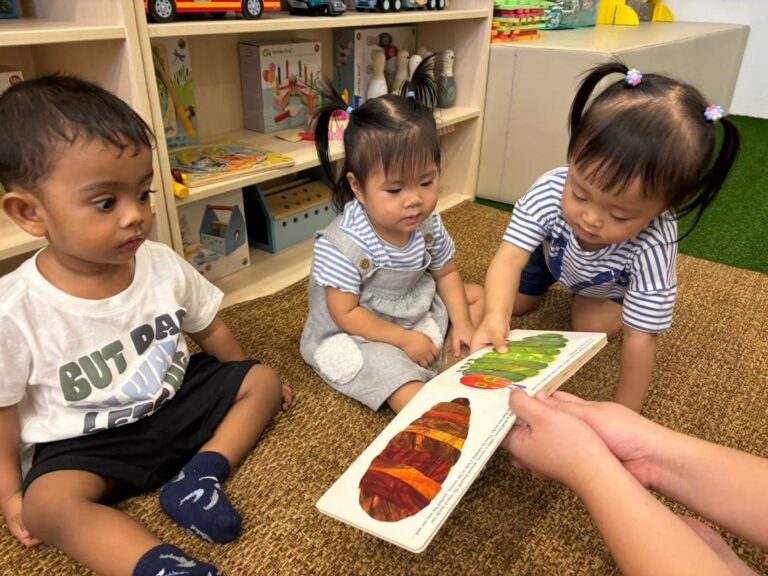
- Real interaction — being responded to, not just stimulated
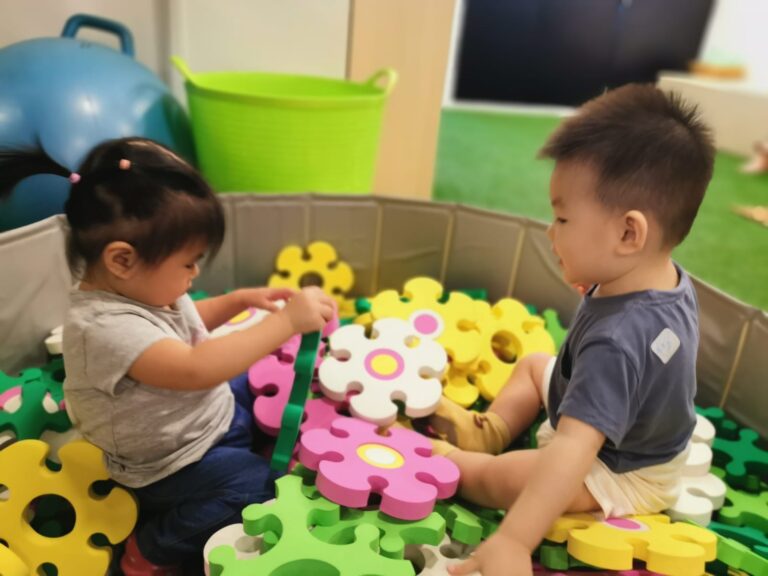
- Play that engages multiple senses at once, not passive screen time or isolated activities
The goal isn’t to rush your baby ahead. It’s to make sure this natural window isn’t spent under-stimulated by accident.
The window won’t repeat. But it also isn’t something to panic about.
This isn’t a countdown to dread. It’s just a quiet reminder that the early months matter more than they look like they do.
You don’t need to do everything. You just need this stage to be met with the right kind of attention.
That’s exactly what our Eduplay program is timed around.
See how our Eduplay program is timed to this exact window — book a session.