“Someone’s watching my baby” and “someone’s developing my baby” sound similar. They’re not the same thing.
Most parents assume all childcare looks roughly the same day-to-day — a safe pair of hands, a full tummy, a nap on schedule. But there’s a quiet difference happening underneath that most people never think to ask about.
Here’s what actually separates a babysitter from a trained Eduplay facilitator — and why it matters more than it seems.
1. One manages the day. The other designs it.
A babysitter’s job is to keep your baby safe, fed, and comfortable — and that matters.
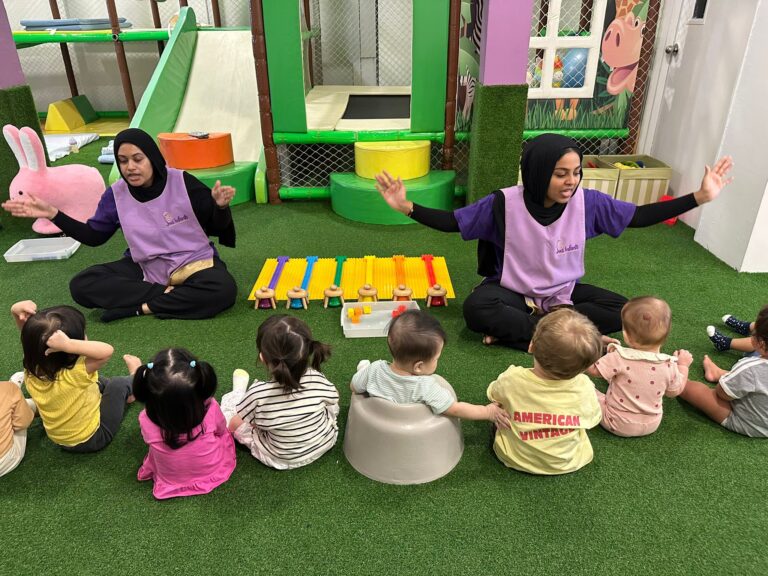
A trained facilitator does that too, but also:
- Plans each activity around your baby’s current developmental stage
- Adjusts sessions in real time based on mood, energy, and engagement
- Knows why an activity is happening, not just that it’s next on the list
The difference isn’t effort. It’s intention.
2. Play isn’t random — it’s mapped to a purpose
Not all play builds the same skills. A trained facilitator understands the difference between:
- Play that builds fine motor skills (grasping, stacking, textures)
- Play that builds language and social response (turn-taking, sounds, expressions)
- Play that builds sensory regulation (calm vs stimulating environments)
A babysitter can absolutely play with your baby. A facilitator plays with a reason.

3. They notice what most people miss
This is the part that’s hardest to see from the outside.
- A trained eye can spot early developmental cues — both encouraging and concerning ones
- They know the difference between a baby who’s overstimulated vs under-engaged
- They can adjust an entire session because one baby needed something slightly different that day
This isn’t intuition. It’s training that’s been specifically built around infants aged 2–24 months.
4. Consistency isn’t the same as progress
A babysitter can absolutely give your baby a wonderful, safe day. But progress needs more than safety — it needs structure that builds on itself.
- Trained facilitators track development over time, not just day to day
- Sessions are designed to build on the last one, not repeat it
- Parents get real insight into growth, not just “had a good day” updates
The difference isn’t about care. It’s about direction.
Both a babysitter and a facilitator can genuinely care for your baby. But only one is trained to turn that care into consistent developmental growth.
That’s the difference we built our entire program around.
Meet our facilitators and see the training behind every session.